cross purposes
 Japan's aesthetic conceptions, deriving from diverse cultural traditions, have been formative in the production of unique art forms. Over the centuries, a wide range of artistic motifs developed and were refined, becoming imbued with symbolic significance. Like a pearl, they acquired many layers of meaning and a high luster. Japanese aesthetics provide a key to understanding artistic works perceivably different from those coming from Western traditions.
 Within the East Asian artistic tradition, China has been the acknowledged teacher and Japan the devoted student. Nevertheless, several Japanese arts developed their own style, which can be differentiated from various Chinese arts. The monumental, symmetrically balanced, rational approach of Chinese art forms became miniaturized, irregular, and subtly suggestive in Japanese hands. Miniature rock gardens, diminutive plants (bonsai), and ikebana (flower arrangements),
in which the selected few represented a garden, were the favorite pursuits of refined aristocrats for a millennium, and they have remained a part of contemporary cultural life.

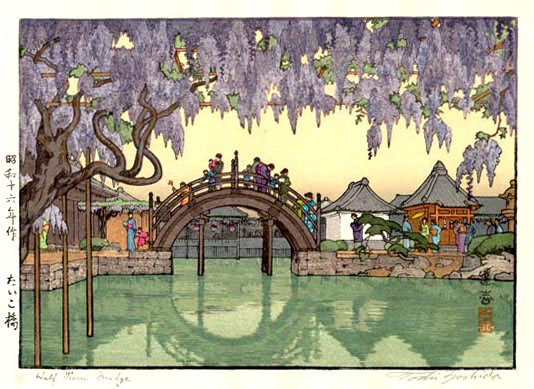
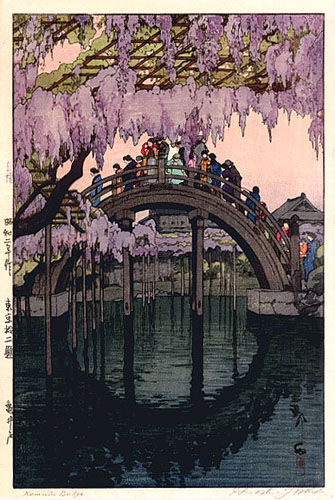
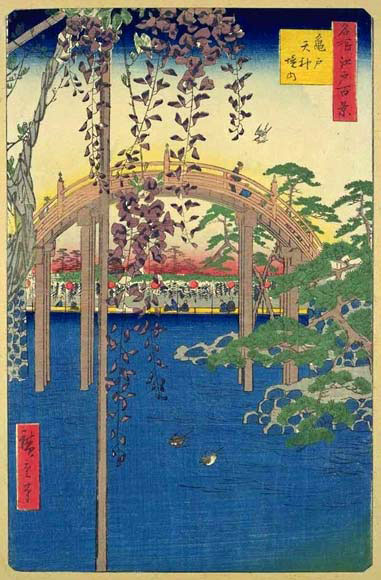
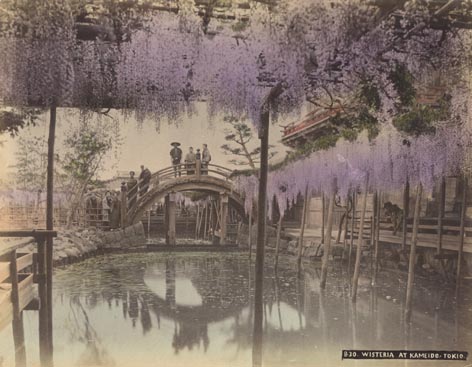
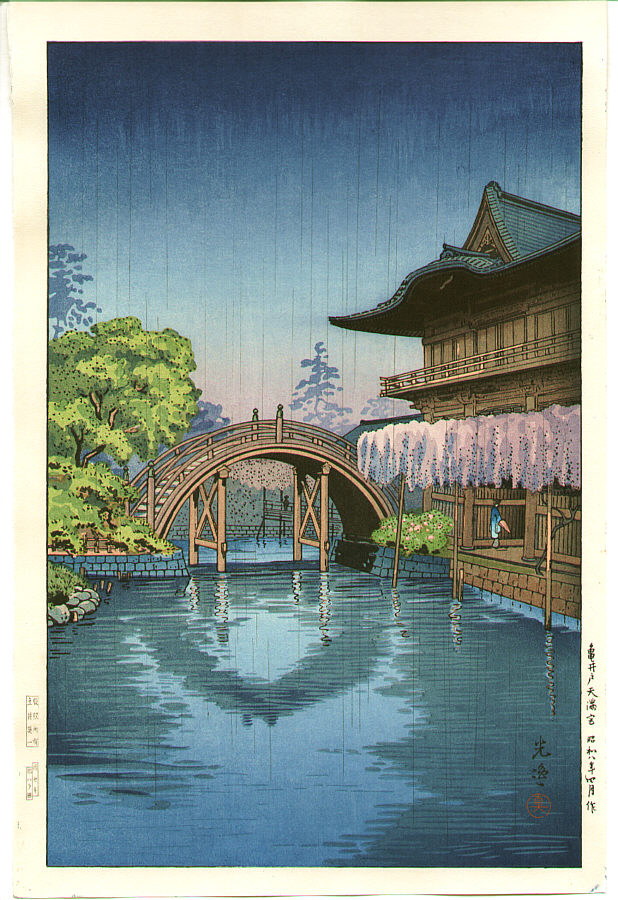
 The diagonal, reflecting a natural flow, rather than the fixed triangle, became the favored structural device, whether in painting, architectural or garden design, dance steps, or musical notations. Odd numbers replace even numbers in the regularity
of a Chinese master pattern, and a pull to one side allows a motif to turn the corner of a three-dimensional object, thus giving continuity and motion that is lacking in a static frontal design. Japanese painters used the devices of the cutoff, close-up, and fade-out by the twelfth century in yamato-e, or Japanese-style, scroll painting, perhaps one
reason why modern filmmaking has been such a natural and successful art form in Japan. Suggestion is used rather than direct statement; oblique poetic hints and allusive and inconclusive melodies and thoughts have proved frustrating to the Westerner trying to penetrate the meanings of literature, music, painting, and even everyday language.

 The Japanese began defining such aesthetic ideas in a
number of evocative phrases by at least the tenth or eleventh cent- ury. The courtly refinements of the aristocratic Heian period evolved into the elegant simplicity seen as the essence of good taste in the understated art that is called shibui. Two terms originating from Zen Buddhist meditative practices describe degrees of tranquility: one, the repose found in humble melancholy (wabi), the other, the serenity accompanying the enjoyment of subdued beauty (sabi). Zen thought also
contributed a penchant for combining the unexpected or startling, used to jolt one's consciousness toward the goal of enlightenment. In art, this approach was expressed in combinations of such unlikely materials as lead inlaid in lacquer and in clashing poetic imagery. Unexpectedly humorous and sometimes grotesque images and motifs also stem from the Zen koan (conundrum). Although the arts have been mainly secular since the Tokugawa period, tradi- tional aesthetics and training methods, stemming generally from religious sources, continue to underlie artistic productions. 1
 (i have just copied part of a wiki entry, links and all, as part of the discussion on the diagonal structure in these prints. i haven't yet followed all the links, and goodness knows i offer nothing as definitive.)
Labels: diagonals, h taylor, hiroshi yoshida, hiroshige ando, koitsu tsuchiya, leslie carr, vallotton
posted by lotusgreen at 10:46 AM
2 comments